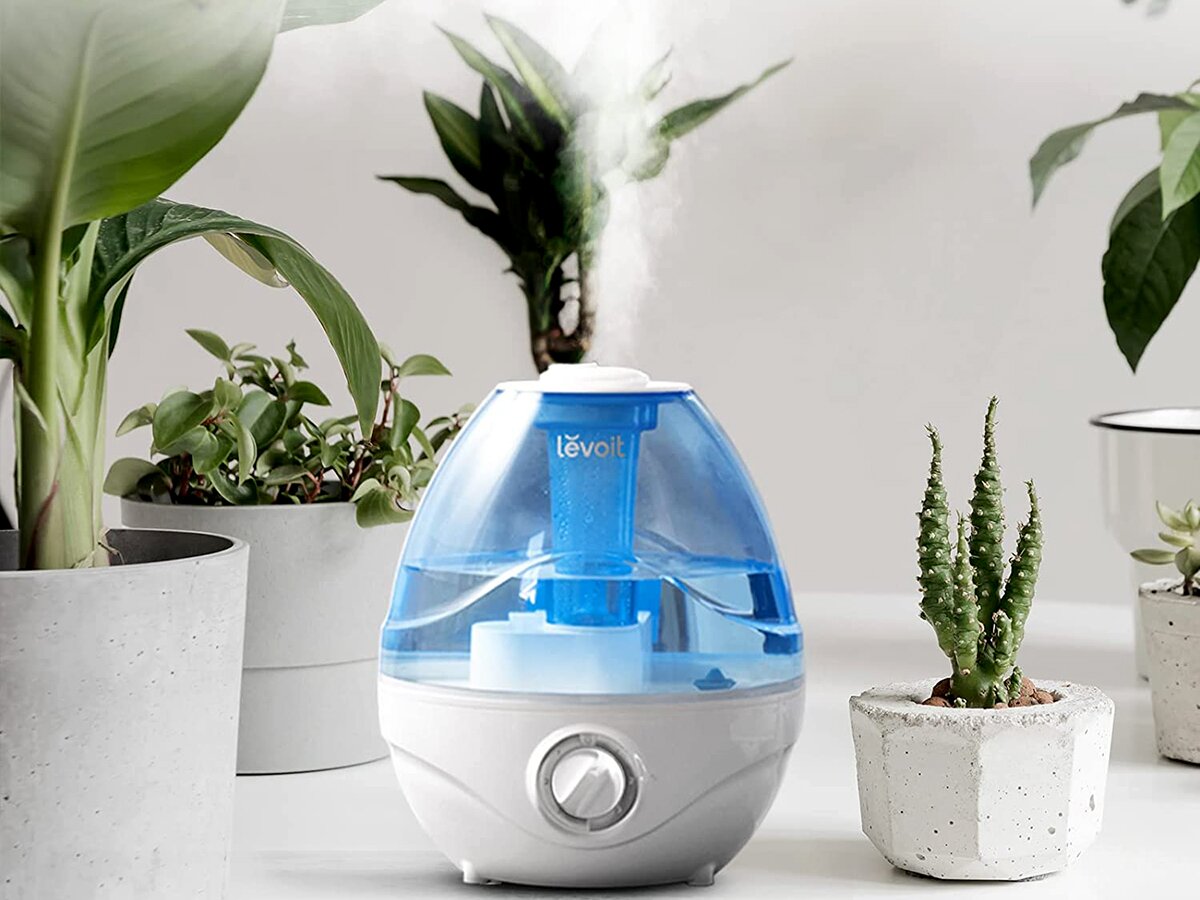
Keeping your indoor plants happy isn’t just about sunlight and water—humidity plays a huge role too! If you’ve noticed crispy leaf edges or slow growth, your home’s dry air might be the culprit. But what’s the best way to boost humidity for your green friends: a humidifier or a mister? Let’s break down the differences so you can make the best choice for your space and your plants.
How Humidity Affects Plant Health
Most popular houseplants—like ferns, calatheas, and monsteras—come from tropical regions where the air is naturally moist. When indoor air is too dry, plants can suffer from:
- Brown, crispy leaf tips
- Drooping or wilting
- Stunted growth
- Increased risk of pests like spider mites
- Curling or yellowing leaves
Maintaining the right humidity (ideally 40–60% for most houseplants) helps your plants thrive, keeps their leaves lush, and even reduces pest problems. I’ve seen my calathea go from constantly crispy edges to putting out perfect new leaves just by adding a humidifier nearby. Want to understand the science behind why? Check out our deep dive on whether houseplants actually need humidity.
How to Measure Your Home’s Humidity
Before spending money on humidity solutions, figure out where you actually stand. A hygrometer (humidity meter) costs under $10 and tells you exactly what your rooms are at. Most homes sit around 30-40% in winter—well below what tropical plants prefer.
If you’re also looking to improve your watering routine, check out our guide on how to water a ZZ plant.
Misters vs. Humidifiers: What’s the Difference?
Misters are handheld spray bottles that let you spritz water directly onto your plant’s leaves. They’re simple, affordable, and give you a hands-on way to care for your plants.
Humidifiers are electric devices that add moisture to the air in a whole room or area. They work continuously to raise the overall humidity, benefiting all the plants (and people!) nearby.
Here’s the key difference most people miss: misting raises humidity for about 15 minutes. A humidifier raises it for hours. If your plants genuinely need higher humidity, misting alone usually isn’t enough.
Side-by-Side Comparison
| Feature | Mister 💦 | Humidifier 💨 |
|---|---|---|
| Cost | $5-15 | $25-60 |
| Coverage | Single plant | Entire room |
| Duration | 15-30 minutes | Hours (continuous) |
| Maintenance | None | Regular cleaning needed |
| Fungal Risk | Higher (wet leaves) | Lower (ambient moisture) |
| Best For | Quick refresh, leaf cleaning | Consistent humidity for collections |
| Noise | Silent | Quiet hum |
| Electricity | None | Low usage |
Pros & Cons of Each
Misters
Pros:
- Inexpensive and easy to use
- Great for a quick refresh or cleaning leaves
- Lets you target specific plants
- No electricity needed—works anywhere
- Doubles as a leaf-cleaning tool (dust removal)
Cons:
- Effects are very temporary—humidity rises for just a few minutes
- Can promote fungal issues if leaves stay wet too long
- Not practical for large plant collections
- You have to remember to do it daily
Humidifiers
Pros:
- Raises humidity for all plants in a room
- Provides consistent, long-lasting moisture
- Can benefit your own skin and health, too!
- Set it and forget it (with a timer)
- Reduces pest pressure from spider mites (they love dry air)
Cons:
- Requires regular cleaning to prevent mold or bacteria
- Needs refilling and occasional filter changes
- Higher upfront cost than a mister
- Can create condensation on nearby surfaces if overdone
How to Choose for Your Space
- For 1-3 plants or occasional use: A mister is a great, budget-friendly tool. It’s perfect for ferns or calatheas that love a daily spritz, or for cleaning dust off leaves. I still use mine almost every day, even though I own a humidifier — it’s become part of my morning plant routine.
- For 4+ plants or very dry homes: A humidifier is the way to go. It’s especially helpful in winter, when indoor heating can drop your home’s humidity to 20-25%. Place it near your plant collection (but not right on top of them) and run it for several hours a day. I run mine for about 6 hours during winter and 3-4 hours in summer.
- For a plant shelf or grouping: Consider grouping plants together on a pebble tray first. This free method can boost local humidity by 5-10%. Then add a humidifier if needed. I use both — pebble trays as a baseline, with the humidifier for an extra boost on dry days.
- For a bedroom plant setup: A cool mist humidifier near your bedroom plants benefits both you and your plants. You’ll wake up with less dry skin, and your plants will show it in their leaf quality.
- For an office or workspace: A compact desktop humidifier works well. You don’t need a huge unit — even a small one raising humidity by 10-15% makes a noticeable difference for a desk plant or two. Check out our picks for the best indoor plants for offices if you’re setting up a workspace.
- Tip: Always use distilled or filtered water in both misters and humidifiers to avoid white mineral buildup on leaves and in your devices. I learned this the hard way after finding a fine white dust on all my plants’ leaves — that was calcium deposits from tap water in my humidifier.
Plants That Need Extra Humidity
Not all houseplants care about humidity equally. Before investing in a humidifier or committing to a daily misting routine, figure out which camp your plants fall into.
High-Humidity Plants (50-70%+ preferred)
These are the plants that will genuinely suffer in a dry home. If you grow any of these, you’ll want at least one humidity solution in place:
- Calathea / Maranta (Prayer Plants) — The drama queens of the plant world. They’ll curl leaves, develop brown edges, and generally look miserable below 50% humidity. I’ve found my calathea thrives best at around 55-65%. A humidifier is nearly essential for these.
- Ferns (Boston, Maidenhair, Bird’s Nest) — Ferns come from forest understories where the air is constantly damp. Maidenhair ferns are especially unforgiving — they’ll crisp up almost overnight in dry air. I lost my first maidenhair fern before I owned a humidifier.
- Alocasia — These tropical beauties need 50%+ humidity to keep their dramatic leaves looking good. They’re also prone to spider mites in dry conditions, which is a double reason to keep humidity up.
- Orchids (most species) — While not as humidity-demanding as calatheas, most orchids appreciate 50-60% humidity for optimal blooming and root health.
- Anthurium — Similar needs to alocasia. They’ll survive in average humidity but produce bigger, glossier leaves with supplemental moisture.
- Fiddle Leaf Fig — Less demanding than calatheas, but fiddle leaf figs do appreciate 40-60% humidity, especially when they’re pushing new growth.
Medium-Humidity Plants (40-50% is fine)
These plants prefer a little extra moisture but won’t throw a fit if your home is on the drier side:
- Monstera — Thrives in moderate humidity. For more on monstera care, check our full guide.
- Philodendron — Most varieties are fairly adaptable. They’ll grow faster and produce larger leaves with higher humidity.
- Peace Lily — Appreciates humidity but tolerates average home conditions. See our peace lily care guide for details.
- Spider Plant — One of the most adaptable plants out there. Moderate humidity keeps the leaf tips from browning. Read more in our spider plant care guide.
Low-Humidity Plants (These don’t care)
Save your misting energy. These plants evolved in arid or semi-arid conditions and actually prefer drier air:
- Snake Plant — Doesn’t need extra humidity at all. In fact, too much moisture in the air combined with poor ventilation can increase the risk of rot. Full care details in our snake plant care guide.
- ZZ Plant — Perfectly happy in dry office air. Those thick, waxy leaves are built to retain moisture. See our ZZ plant care guide.
- Pothos — Incredibly adaptable. Pothos will grow in almost any humidity level. Check out our pothos care guide.
- Succulents and Cacti — High humidity is actually harmful to these plants, promoting rot and fungal issues.
- Rubber Plant — Tolerates a wide range of humidity. Its thick leaves hold moisture well. More info in our rubber plant care guide.
Quick Reference Table
| Humidity Level | Plants | Humidity Solution Needed? |
|---|---|---|
| High (50-70%) | Calathea, Fern, Alocasia, Anthurium, Orchid | Humidifier strongly recommended |
| Medium (40-50%) | Monstera, Philodendron, Peace Lily, Spider Plant | Pebble tray or occasional misting |
| Low (any) | Snake Plant, ZZ Plant, Pothos, Succulents, Rubber Plant | No humidity help needed |
The biggest mistake I see new plant parents make is buying a humidifier when all they own are snake plants and pothos. Save your money and your effort for the plants that actually need it. If you’re building a collection, consider grouping your humidity-loving plants together in one area where you can run a humidifier efficiently, and keeping your drought-tolerant plants elsewhere.
Real-World Cost Comparison
Let’s do the math that nobody else seems to talk about. The upfront price of a humidifier vs. a mister is just the beginning — ongoing costs matter too.
Upfront Costs
| Item | Cost Range | Notes |
|---|---|---|
| Basic spray mister | $3-8 | Simple trigger spray bottle |
| Continuous fine mist sprayer | $10-18 | Better mist quality, like the FLAIROSOL |
| Small desktop humidifier | $15-25 | Good for 1-2 plants on a desk |
| Mid-range room humidifier | $30-50 | Covers a medium room, 20-40 hour tank |
| High-end humidifier | $50-100+ | Large tank, smart features, hygrometer built in |
| Pebble tray (DIY) | $5-10 | Tray + decorative pebbles — the cheapest option |
Monthly Running Costs
This is where the real difference shows up over time:
| Expense | Mister | Humidifier |
|---|---|---|
| Electricity | $0 | $2-5/month (running 6-8 hrs/day) |
| Distilled water | ~$1/month (refilling spray bottle) | $5-15/month (depending on tank size and how often you run it) |
| Replacement filters | N/A | $5-15 every 1-3 months (some models) |
| Your time | 5-10 min/day (misting routine) | 5 min/week (refilling + cleaning) |
| Estimated monthly total | ~$1 + your time | ~$10-25 + minimal time |
Annual Cost Breakdown
| Method | Year 1 Total | Year 2+ Total |
|---|---|---|
| Misting only | $10-20 | $5-15 |
| Humidifier only | $150-350 | $100-300 |
| Pebble tray only | $5-10 | $0 |
| Humidifier + mister combo | $160-370 | $105-315 |
The Hidden Cost: Your Time
Here’s what I think gets overlooked most. Misting takes discipline. You need to do it daily for any meaningful effect, and with a large collection, that’s 10-15 minutes every morning. Over a year, that’s about 60-90 hours of misting.
A humidifier? Fill the tank once or twice a week, clean it every 1-2 weeks, and you’re done. Maybe 30 minutes per week total, or about 26 hours per year.
I switched from misting-only to a humidifier after about 6 months, and I wish I’d done it sooner. The time savings alone made it worth the investment, and my calatheas have never looked better.
My Recommendation by Budget
- Tight budget ($0-10): Start with a DIY pebble tray and group your plants together. This costs almost nothing and makes a measurable difference. See our pebble tray vs humidifier comparison for more on this.
- Moderate budget ($20-40): Buy a good continuous mist sprayer and a pebble tray. This combo handles most situations unless your home is extremely dry.
- Best investment ($40-60): A mid-range cool mist humidifier like the LEVOIT is, in my opinion, the single best purchase a plant parent can make after pots and soil. It pays for itself in healthier plants within a couple of months.
Other Ways to Boost Humidity (Free!)
Before buying anything, try these no-cost tricks:
- Group your plants together — Plants naturally release moisture through transpiration. Grouping them creates a humid microclimate. I keep my calatheas, ferns, and monsteras all on one shelf, and the local humidity there is noticeably higher than the rest of the room.
- Move plants to the bathroom or kitchen — These rooms have higher humidity from showers and cooking. My bathroom plants thrive with zero supplemental humidity.
- Place a water dish near plants — A shallow dish of water near (not under) your plants adds passive moisture as it evaporates. Similar principle to a pebble tray but even simpler.
- Don’t place plants near heating vents — Heaters blast dry air directly at your plants. I moved a calathea away from a floor vent and its brown-tipping problem stopped within two weeks.
- Improve air circulation — This might sound counterintuitive, but gentle air circulation helps distribute humidity evenly and prevents stagnant, overly moist pockets that can cause fungal problems.
For a deep dive on pebble trays, check out our pebble tray vs humidifier comparison.
Our Top Product Suggestions
For a detailed review of more options, check out our full guide to the best humidifiers for indoor plants.
1. FLAIROSOL Mist Plant Mister
A gentle, even spray that’s perfect for delicate leaves and daily misting. The ergonomic design makes it easy to use and refill. The continuous fine mist covers leaves evenly without creating large droplets.
🌱 Mist your plants!2. LEVOIT Classic 200 Humidifier
A quiet, reliable humidifier that can run for up to 40 hours. It’s easy to clean, has adjustable mist levels, and is ideal for medium-sized rooms. I use this one next to my plant shelf and it’s made a noticeable difference.
💧 Keep your air misty!3. Pure Enrichment MistAire Ultrasonic Cool Mist Humidifier
Compact and stylish, this humidifier is great for smaller spaces or desktops. It’s whisper-quiet and has an optional night light—perfect for a bedroom plant setup.
🌬️ Try the MistAire for small spaces!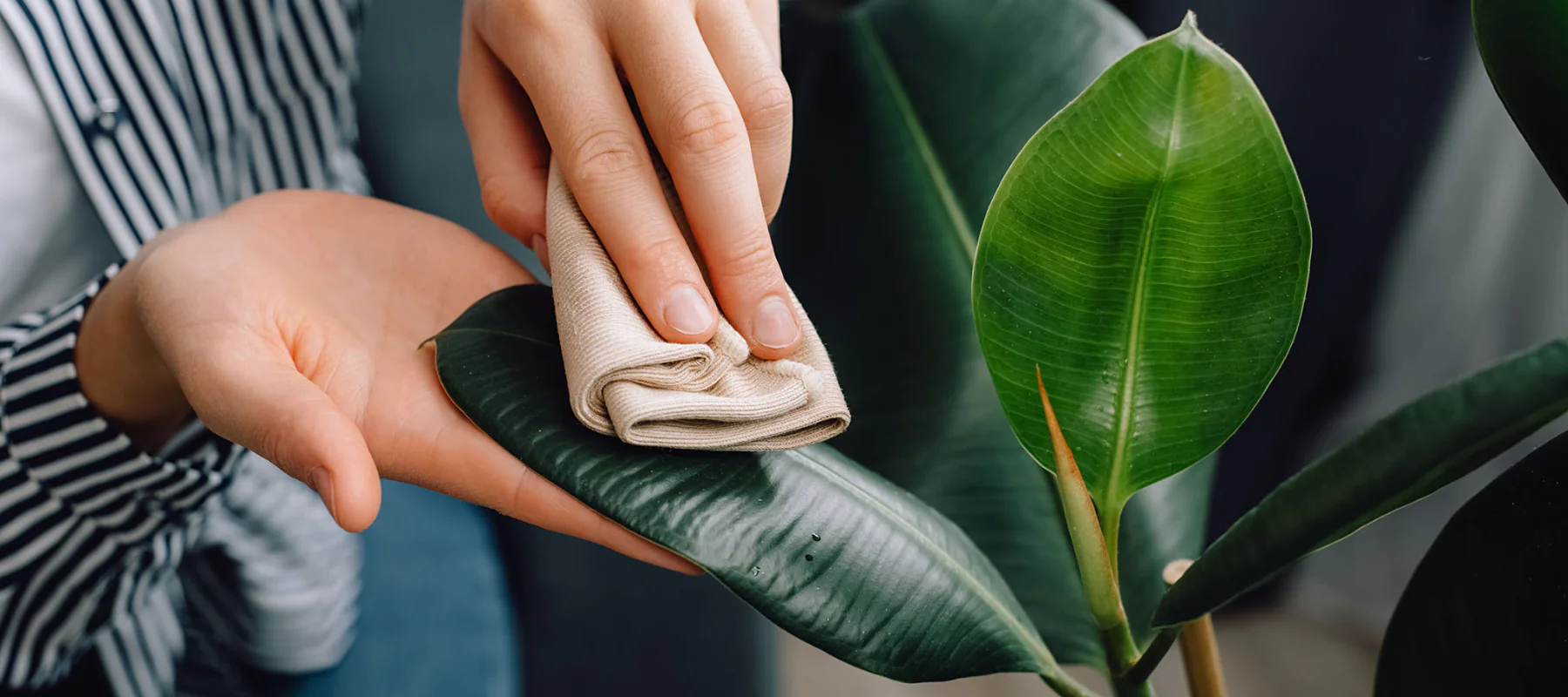
Frequently Asked Questions (FAQs)
How often should I mist my plants?
Most tropical plants enjoy a light misting once a day, but always avoid misting at night to prevent fungal issues. Watch your plant’s leaves—if they look soggy or develop spots, cut back.
Where should I place my humidifier?
Place it near (but not directly on) your plant collection, ideally in the center of the room for even coverage. Avoid placing it right next to walls or electronics.
Can I use both a mister and a humidifier?
Absolutely! Many plant parents use a humidifier for background moisture and a mister for targeted care or cleaning leaves. This is actually what I do—the humidifier runs daily and I mist individual plants when I notice dust on their leaves.
Do all houseplants need extra humidity?
No—succulents, cacti, and snake plants prefer drier air. Focus your humidity efforts on tropical and foliage plants. Check out our snake plant vs ZZ plant guide for more on low-humidity-loving plants.
What humidity level do most houseplants need?
Most tropical houseplants thrive at 40-60% relative humidity. The average home sits around 30-40%, which is why supplemental humidity helps so much—especially in winter when heating systems dry out the air.
Can too much humidity harm my plants?
Yes. Humidity consistently above 80% can promote fungal growth and mold on leaves and soil. Aim for 40-60% and ensure you have good air circulation around your plants.
Is a cool mist or warm mist humidifier better for plants?
Cool mist is generally safer and more energy-efficient. Warm mist humidifiers work too but use more electricity and pose a burn risk if placed near plants or children.
Happy growing!